
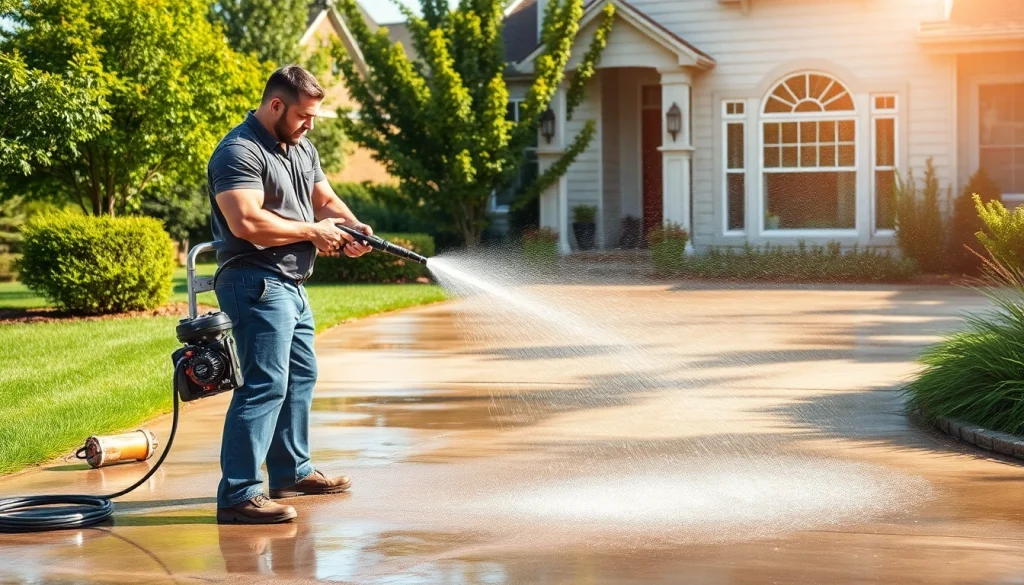
Understanding Concrete Cleaning
Concrete surfaces, while incredibly durable, require regular cleaning to maintain their aesthetic appeal and structural integrity. Over time, environmental factors such as rain, mold, and foot traffic can create unsightly stains and growths that detract from the beauty of concrete driveways, patios, and walkways. Understanding the importance of concrete cleaning is essential for homeowners and property managers alike. When exploring options, concrete cleaning services can offer solutions to restore the pristine condition of your surfaces.
What is Concrete Cleaning?
Concrete cleaning refers to the process of removing contaminants from a concrete surface to restore its original appearance. This process can involve various cleaning methods, including pressure washing, chemical treatments, and scrubbing. The goal of concrete cleaning is not just cosmetic; it can also prolong the lifespan of the surface, reduce wear, prevent structural issues, and enhance safety by removing slippery residues.
Importance of Regular Concrete Maintenance
Regular maintenance of concrete surfaces is vital for several reasons:
- Aesthetic Appeal: Clean concrete looks more inviting and enhances the overall appearance of your property.
- Preventing Damage: Dirt, mold, and mildew can deteriorate concrete over time, leading to cracks and costly repairs.
- Safety: Dirty or slippery surfaces can pose safety hazards for pedestrians and vehicles.
- Value Maintenance: Well-maintained concrete can significantly increase property value and curb appeal.
Common Challenges in Concrete Cleaning
Concrete cleaning is not without its challenges. Some of the common issues include:
- Stubborn Stains: Oil, grease, and rust stains can be tough to eliminate without the right tools and techniques.
- Environmental Factors: Mold, algae, and mildew thrive in humid climates, requiring specific cleaning agents to address effectively.
- Surface Damage: Improper cleaning methods can lead to etching or damage, particularly with pressure washing on delicate areas.
Methods and Techniques for Concrete Cleaning
Pressure Washing vs. Soft Washing
Two primary methods for concrete cleaning include pressure washing and soft washing. Pressure washing utilizes high-pressure water to blast away dirt, grime, and stains, making it highly effective for robust surfaces like driveways and industrial areas. However, it can damage softer surfaces if not handled correctly. On the other hand, soft washing involves applying a low-pressure stream of water mixed with biodegradable cleaning solutions, making it ideal for surfaces prone to damage. Knowing which method to use can significantly impact the effectiveness of your cleaning.
Eco-Friendly Concrete Cleaning Solutions
As environmental concerns continue to rise, many property owners are turning to eco-friendly cleaning solutions. These products are designed to effectively clean concrete without harming the environment. Options can include:
- Biodegradable Cleaners: These are derived from natural ingredients and break down safely in the environment.
- Pressure Washers with Water Recovery: Using water reclamation systems minimizes waste and ensures compliance with local regulations.
- Natural Cleaning Agents: Vinegar, baking soda, and lemon juice can effectively tackle less severe stains.
Tools and Equipment for Effective Cleaning
To successfully clean concrete, various tools and equipment can be utilized:
- High-Pressure Washers: Essential for deep cleaning and removing tough stains.
- Surface Cleaners: These attachments help achieve a uniform clean over larger areas.
- Scrub Brushes: For manual cleaning of delicate areas or heavily soiled spots.
- Protective Gear: Gloves and goggles are vital for personal safety, especially when using chemicals.
Best Practices for Concrete Cleaning
Preparing Your Workspace
Before starting any cleaning project, preparation is key. Ensure the area is clear of obstacles and debris. Additionally, protect surrounding plants, furniture, and surfaces from potential overspray or chemical spills. Setting up tarps or plastic sheeting can help manage these risks.
Step-by-Step Cleaning Guide
To effectively clean concrete, follow this step-by-step guide:
- Identify Stains: Determine the type of stains you’re dealing with to select the appropriate cleaning method.
- Pre-treat Stains: Apply a targeted cleaner for oil or rust stains and let it sit as recommended.
- Choose Your Method: Decide whether to use pressure washing or soft washing based on the surface condition and type.
- Clean the Area: Work in sections, ensuring thorough coverage and paying special attention to heavily soiled spots.
- Rinse Thoroughly: Remove any cleaning agents and residues from the surface to prevent damage.
- Inspect the Surface: After drying, check for any remaining stains or missed spots, and repeat if necessary.
Post-Cleaning Care and Maintenance
Once the concrete is clean, maintaining its appearance is crucial. Consider applying a sealant to protect the surface from future stains and moisture intrusion. Regular sweeping and adopting a prompt approach to spills can significantly enhance longevity.
Cost Considerations for Concrete Cleaning
Estimating Your Concrete Cleaning Costs
Costs for concrete cleaning can vary widely based on factors such as surface area, stain severity, and chosen cleaning method. Generally, homeowners can expect to pay between $1 to $3 per square foot for professional services. Consider obtaining multiple quotes to ensure a competitive price.
Factors Influencing Pricing
Several factors can influence the price of concrete cleaning:
- Surface Size: Larger areas will naturally incur higher costs.
- Stain Difficulty: Tougher stains may require more intensive treatment, increasing labor and material costs.
- Location: Service costs may vary by region based on local market rates.
- Accessibility: Difficulty accessing the cleaning area may also add to labor costs.
Comparing DIY vs. Professional Services
While DIY cleaning can save money, there are risks involved. Professionals bring experience, specialized equipment, and often better results. Weigh the pros and cons of each approach before deciding which fits your needs and budget.
Future Trends in Concrete Cleaning
Innovations in Cleaning Technologies
The future of concrete cleaning looks promising, with innovations like robotic cleaners and advanced eco-friendly products emerging. These technologies not only improve cleaning efficiency but also reduce environmental impact, aligning with the growing eco-conscious consumer base.
Emerging Eco-Friendly Practices
As sustainability becomes more critical, the adoption of green cleaning practices will likely increase. Techniques such as utilizing steam cleaning and biodegradable detergents are gaining popularity, making them preferred choices for both residential and commercial applications.
Predictions for the Concrete Care Industry in 2025
Looking ahead, we can anticipate a surge in demand for both commercial and residential concrete cleaning services. As property owners increasingly recognize the importance of maintaining their outdoor spaces, the concrete care industry will likely evolve, incorporating new technologies and environmentally sustainable practices to meet consumer needs.