
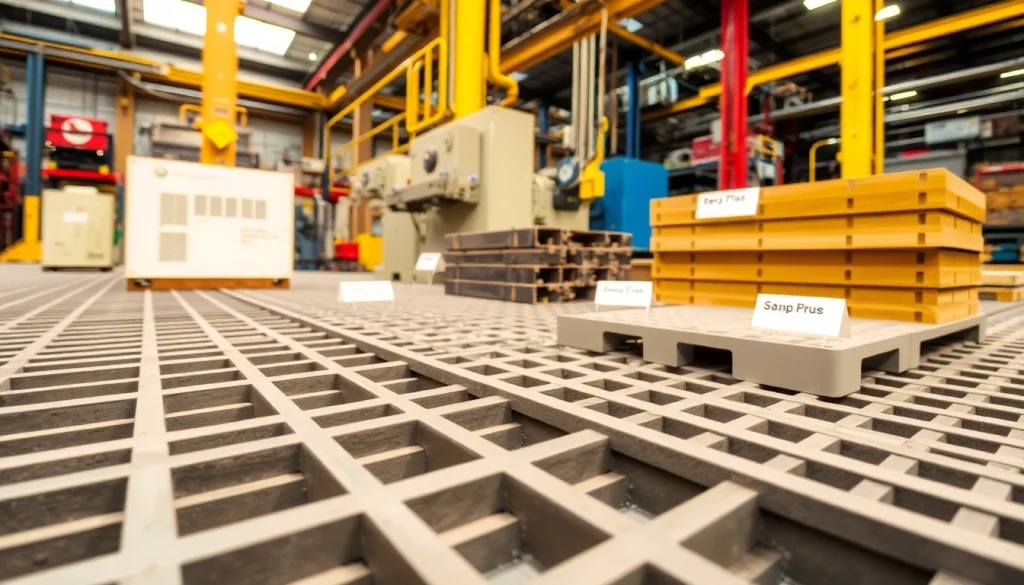
Understanding GRP Grating
Glass Reinforced Plastic (GRP) grating is an engineered composite material used extensively across various industries due to its remarkable properties. This non-corrosive, lightweight alternative to metal grating is particularly beneficial in environments where combatting corrosion is critical. Understanding the fundamentals of GRP grating can help industries choose the right solutions. For detailed solutions and products, explore this GRP Grating Supplier.
What is GRP Grating?
GRP grating is a composite material made from fiberglass layers embedded in resin, creating a strong and durable structure. Unlike traditional steel grating, GRP grating doesn’t rust or corrode, making it ideal for hostile environments such as chemical plants, marine applications, and outdoor settings exposed to harsh weather.
Manufactured through two primary processes—molding and pultrusion—GRP grating offers variations in design and application. Molding is often used for standard, customizable shapes, while pultrusion produces continuous lengths of grating that can be customized for specific applications, offering advantages in construction speed and flexibility.
Benefits of GRP Grating
The benefits of using GRP grating are vast, including:
- Corrosion Resistance: GRP does not rust or degrade in watery and chemical environments, extending its lifespan significantly compared to metal grating.
- Lightweight: GRP grating is significantly lighter than steel, making it easier to transport and install, leading to reduced labor costs.
- Slip Resistance: Many GRP grating options come with a textured surface, providing superior traction and reducing the risk of slips and falls.
- Customizability: GRP grating can be designed in various colors and sizes to meet specific project requirements, enhancing aesthetic appeal.
- Electrical Insulation: GRP serves as an effective insulator, beneficial in electric hazard areas.
Common Applications of GRP Grating
GRP grating finds applications across a vast array of sectors:
- Chemical Processing: Ideal for environments involving aggressive chemicals, GRP grating ensures safety and durability.
- Marine Applications: Resilient against saltwater and extreme weather, it’s often used in docks and offshore platforms.
- Food and Beverage Industry: Non-corrosive and easy to sanitize, making it suitable for processing areas.
- Construction: Used extensively in walkways, phase segregation, and trench covers due to its lightweight and strong profile.
- Wastewater Treatment: GRP grating endures harsh conditions while maintaining structural integrity.
Choosing a GRP Grating Supplier
When selecting a GRP grating supplier, it’s crucial to consider several factors that ensure quality and reliability in your procurement process. The right supplier not only provides the best products but also improves your chances for project success.
Factors to Consider When Selecting
Key elements to evaluate before choosing a supplier include:
- Reputation: Research suppliers’ history and customer feedback. Suppliers with a long-standing reputation may offer more reliability.
- Quality Assurance: Investigate their manufacturing processes and certifications to guarantee product quality.
- Delivery Times: Assess their capacity to meet your project timelines, as delays can significantly impact your plans.
- Customer Support: Effective communication and responsive customer service are essential in ensuring smooth operations.
- Pricing Structure: While pricing is important, consider the value offered, as the cheapest supplier may not provide the best product.
Assessing Supplier Credentials
Evaluating the credentials of a GRP grating supplier involves looking beyond their product listings:
- Certifications: Check for ISO certifications which signify that the supplier meets international quality assurance standards.
- Industry Experience: Suppliers with previous experience in your specific industry will understand your needs better.
- Product Testing: Ensure they conduct rigorous testing of their products for strength, load capacity, and environmental resistance.
- Technical Expertise: Suppliers should have knowledgeable staff that can offer installation support and answer technical queries.
- References: Don’t hesitate to ask for contacts of previous clients to get firsthand insights on their experience.
Evaluating Product Range
Exploring a supplier’s product range is crucial in determining if they can fulfill your specific needs. A diverse product line should include:
- Types of Grating: Look for different styles such as molded and pultruded options.
- Finish Types: Seek varieties in surfaces, colors, and thickness to match your requirements.
- Accessories: Ensure the supplier offers all necessary installation components, including fasteners and clips.
- Custom Fabrication: Check if they offer tailored solutions = for unique applications.
- Warranty Policies: Understand their warranty offerings to assess the level of quality assurance.
Installation of GRP Grating
Installing GRP grating is a straightforward process, but proper preparation and following appropriate steps can ensure a smooth installation. Familiarizing yourself with the materials and methods involved will help maximize the benefits of GRP grating.
Preparation for Installation
Before starting the installation, consider the following preparation steps:
- Site Assessment: Evaluate the installation site conditions and prepare the surface for grating lay-down.
- Measurement: Accurately measure the area to cut GRP grating to size before installation.
- Review Specifications: Check that the chosen grating meets loading requirements and other specific project needs.
- Gather Tools: Ensure all necessary tools, such as cutting tools, safety gear, and fixing components, are available.
- Check Compatibility: Verify that the grating type matches any existing equipment or surfaces.
Step-by-Step Installation Guide
Follow these steps for effective installation of GRP grating:
- Cutting the Grating: Using a power saw or jigsaw, cut the grating to the exact dimensions required.
- Positioning Grating: Carefully place the grating panels into position, aligning them correctly.
- Fixing Grating: Use appropriate fasteners or clips to secure the grating panels in place.
- Sealing Edges: Apply sealant as needed around the edges for enhanced durability, especially in corrosive environments.
Safety Considerations
Safety during installation cannot be overstated. Here are essential considerations:
- Personal Protective Equipment (PPE): Always wear safety goggles, gloves, and steel-toed footwear during installation.
- Lifting Techniques: Use proper lifting techniques to avoid back injuries when handling heavy panels.
- Follow Manufacturer Guidelines: Adhere strictly to installation instructions provided by the grating supplier.
- Maintain a Clear Workspace: Keep the work area organized and free of hazards to prevent accidents.
- Emergency Contacts: Have emergency contacts readily available in case of accidents.
Maintenance of GRP Grating Systems
Maintaining GRP grating systems is crucial for ensuring longevity and optimal performance. Regular maintenance minimizes the risk of early degradation and enhances safety in work environments.
Routine Cleaning and Care
Implementing a routine cleaning schedule is vital. Here are some best practices:
- Regular Inspections: Check for signs of wear or damage routinely to catch issues early.
- Cleaning: Use gentle cleaning methods, such as water and mild detergent, to remove debris and contaminants.
- Surface Checks: Ensure the surface remains slip-resistant by inspecting for damage or wear.
- Avoid Harsh Chemicals: Refrain from using abrasive cleaners as they can damage the grating surface.
- Document Maintenance: Keep a log of inspection and cleaning schedules for reference.
Identifying and Resolving Issues
Promptly addressing any issues that arise is essential. Common problems include:
- Bending or Warping: Regularly check for and address any visible bending; ensure proper support is maintained.
- Cracking: If cracks appear, they should be assessed and repaired as needed to avoid further damage.
- Loose Fasteners: Periodically check fasteners and re-tighten as necessary to ensure structural integrity.
- Surface Wear: Address any signs of wear early to prevent slips and other safety hazards.
- Replacement Parts: Keep spare parts handy for quicker repairs when necessary.
Extending the Lifespan of Your Grating
To extend the lifespan of GRP grating systems, consider the following proactive measures:
- Proper Installation: Ensure that initial installation is done correctly following manufacturer guidelines.
- Avoid Overloading: Do not exceed the load capacity specified for the grating to avert failure.
- Regular Upkeep: Engage in routine maintenance as discussed, including cleaning and inspections.
- Control Environmental Factors: Where possible, shield gratings from extreme conditions such as intense UV exposure or chemical spills.
- Educate Users: Train personnel on the right use and care of grating systems, emphasizing the importance of maintaining integrity.
Frequently Asked Questions About GRP Grating
What sizes do GRP gratings come in?
GRP gratings are available in various sizes and thicknesses, with custom sizes also offered based on project specifications.
Can GRP grating be used in wet environments?
Yes, GRP grating is engineered for wet and corrosive environments, making it an ideal choice for a range of applications.
How does GRP compare to metal grating?
GRP grating is lighter, corrosion-resistant, and safer due to its slip-resistant surface compared to metal grating.
Are GRP gratings lightweight?
Yes, one of the significant advantages of GRP gratings is their lightweight nature, which facilitates easier handling and installation.
What is the lifespan of GRP grating?
With proper maintenance, GRP grating can last over 20 years, making it a valuable investment for applications.