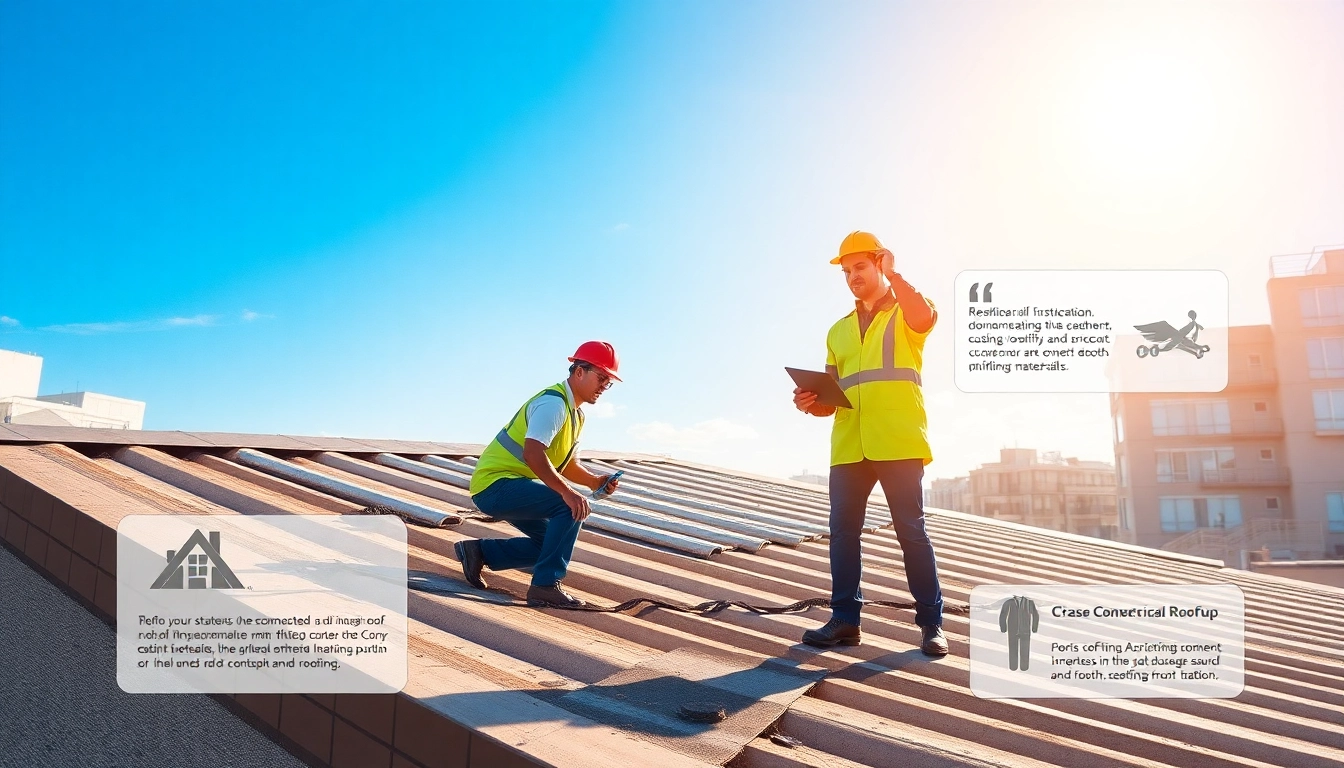
Understanding Commercial Roofing Services
What Are Commercial Roofing Services?
Commercial roofing services encompass a wide range of solutions catering specifically to businesses and commercial structures. Unlike residential roofing, which focuses on homes, commercial roofing involves specialized materials, techniques, and considerations tailored to larger, often flat or low-sloped roofs. Companies in this field provide installation, maintenance, and repair services for various roofing systems, ensuring that businesses have reliable, durable, and efficient protection against the elements.
The complexities of commercial roofing demand expertise in materials such as TPO, EPDM, metal, and modified bitumen. These materials are selected not just for their durability but also for their ability to handle the larger scale and specific demands of commercial buildings. The right choice in roofing can significantly impact a business's operational efficiency, making commercial roofing services indispensable for any business owner looking to protect their assets.
Key Benefits of Choosing Professional Services
Utilizing professional commercial roofing services offers a multitude of advantages. Chiefly, experts bring to the table advanced knowledge and experience in assessing roofing needs adeptly. Here are some key benefits:
- Expertise and Experience: Professional roofers have extensive training and experience, allowing them to evaluate roofing conditions accurately and offer tailored recommendations.
- Quality Materials: Professionals often have access to high-quality materials and advanced installation techniques that might not be available to the average business owner.
- Compliance with Regulations: Commercial roofing services are often well-versed in local building codes and regulations, ensuring that installations and repairs meet all legal requirements.
- Warranty Protection: Many professional services offer warranties on their workmanship and materials, providing an additional layer of security for the business owner.
- Safety: Professional roofers are trained to follow safety protocols, reducing the risk of accidents and injuries during the roofing project.
Common Types of Commercial Roofing Options
There are several types of roofing systems available for commercial buildings. Understanding these options can help business owners make an informed decision based on their specific needs, budget, and building design:
- Flat Roofing: Commonly found on commercial buildings, flat roofs can be constructed using materials like TPO, EPDM, or modified bitumen, offering low maintenance and good energy efficiency.
- Metal Roofing: Durable and resistant to extreme weather conditions, metal roofing is popular for its long lifespan and potential for energy savings.
- Green Roofing: An environmentally conscious option, green roofs consist of vegetation and are known for their insulation properties and stormwater management.
- Built-Up Roofing (BUR): Composed of multiple layers of tar and gravel, BUR is a traditional roofing system renowned for its durability and reliability.
- Synthetic and Composite Materials: These materials mimic traditional roofing options while offering enhanced durability and often reduced weight.
Evaluating Your Commercial Roofing Needs
Factors to Consider for Your Building Type
When evaluating your commercial roofing needs, it's crucial to consider several factors related to your building’s characteristics and location:
- Building Size and Design: Different roof types suit various architectural styles and building sizes. The layout and design will influence the roofing approach.
- Climate: Local weather conditions play a significant role in material selection. For instance, areas with high wind are better suited for materials that offer enhanced resistance.
- Structural Integrity: The existing structure must be evaluated to determine whether it can support a new roofing system, especially if it involves heavier materials.
- Usage: Consideration of how the space beneath the roof is utilized—such as warehouses, offices, or retail spaces—may impact the choice of roofing materials.
Identifying Common Roofing Problems
Understanding common roofing issues can help prevent costly repairs down the line. Some prevalent problems include:
- Leaking: Often the result of poor installation, wear over time, or damage to roofing materials, leaks can lead to extensive water damage.
- Ponding Water: Water that remains on the roof for an extended period can weaken roofing materials and create leaks.
- Membrane Damage: For flat roofs, damage to the membrane from UV exposure or punctures can lead to further issues.
- Improper Drainage: Roofs that lack adequate drainage can accumulate water, leading to leaks and structural damage.
How to Calculate Your Roofing Budget
Calculating a roofing budget involves various considerations to ensure that funds are allocated appropriately:
- Material Costs: Different roofing materials come with varied price points, impacting the overall budget significantly.
- Labor Costs: The complexity of the installation or repair will influence labor costs, which should be factored into the overall budget.
- Maintenance Costs: Establishing a budget that includes future maintenance is essential for long-term financial planning.
- Contingencies: Setting aside a portion of the budget for unexpected repairs or price changes is vital to prevent financial strain.
Choosing a Reliable Roofing Contractor
What to Look for in a Roofing Service Provider
Finding the right roofing contractor is essential for ensuring the success of your roofing project. Key factors to consider include:
- Experience: Ensure the contractor has a proven track record of completing projects similar to yours.
- Licensing and Insurance: Confirm that the contractor holds the correct licenses and insurance to protect against liabilities.
- Reputation: Research reviews and testimonials from previous clients to gauge the contractor's reliability and quality of work.
- Warranty: Consider contractors who offer warranties on both materials and labor to secure your investment.
Questions to Ask Before Hiring
Asking the right questions can help clarify expectations and responsibilities:
- What is included in your estimate?
- What materials do you recommend, and why?
- How will you handle inclement weather during the project?
- What is your timeline for completing the job?
- Can you provide references from past clients?
Importance of Research and Reviews
Conducting thorough research is imperative when selecting a contractor. Reviews and ratings can provide invaluable insight into their work ethic, reliability, and quality. Websites dedicated to contractors often have review sections, where customers share their experiences. Additionally, reaching out to previous clients for firsthand feedback can help solidify your decision.
Maintenance Best Practices for Roofing Longevity
Routine Inspection and Care Tips
Regular maintenance is critical to ensuring the longevity of your commercial roof. Implementing a routine inspection schedule can help identify potential issues before they escalate:
- Conduct inspections at least twice a year and after severe weather events.
- Look for signs of wear or damage, particularly in seams and flashing.
- Clear debris from the roof to minimize blockages in drainage systems.
- Ensure that gutters and downspouts are clear and functioning correctly.
Signs Your Commercial Roof Needs Immediate Attention
Being aware of symptoms signaling an urgent need for repair can save costs in the long run:
- Visible water stains on the ceiling or walls indicating leaks.
- Peeling paint or rust on metal roofing.
- Excessive ponding water that doesn't disperse in a timely fashion.
- Damaged flashing or missing shingles.
Seasonal Maintenance Checklist for Commercial Roofing
Having a checklist can significantly aid in the maintenance process, ensuring that no critical steps are overlooked:
- Spring: Inspect for winter damage, clean gutters, and ensure drainage systems are functional.
- Summer: Perform regular cleaning, inspect for debris buildup, and watch for leaks.
- Fall: Clear leaves and branches, check for structural integrity ahead of winter.
- Winter: Inspect for ice dams and ensure proper insulation to avoid issues related to snow load.
Future Trends in Commercial Roofing Services
Innovations in Roofing Materials and Technologies
The commercial roofing industry is continuously evolving. Innovations in materials and technology are shaping a more efficient future:
- Cool Roofs: Roofing materials designed to reflect more sunlight and absorb less heat, leading to energy savings.
- Smart Roofs: Incorporating technology such as sensors to monitor roof health and alert property owners before issues become problematic.
- Advanced Weatherproofing: Enhanced materials that provide better resistance to extreme weather and promote longer roof lifespans.
Eco-Friendly Solutions in the Commercial Roofing Industry
The push toward sustainability has spurred developments in eco-friendly roofing options:
- Recyclable Materials: Many modern roofing materials are designed to be recyclable at the end of their lifecycle, minimizing environmental impact.
- Green Roofing Systems: Improving energy efficiency while reducing the carbon footprint through vegetation on roofs.
- Solar Roofing: Innovative materials that integrate solar panels directly into the roofing system, promoting renewable energy use.
Preparing for the Future: What Businesses Should Know
As the commercial roofing landscape evolves, property owners should stay informed and be proactive about future developments:
- Invest in training for maintenance personnel regarding new technologies and materials.
- Consider long-term sustainability in building renovations—adaptive reuse concepts may extend the lifecycle of existing structures.
- Regularly evaluate the roofing system against performance metrics to identify areas of improvement.
Understanding the complexities and nuances of commercial roofing services can empower business owners to make informed decisions, ensuring their commercial properties are protected and optimized for longevity. With proper evaluation, contractor selection, and maintenance practices, businesses can secure their investments and prepare for the future.