
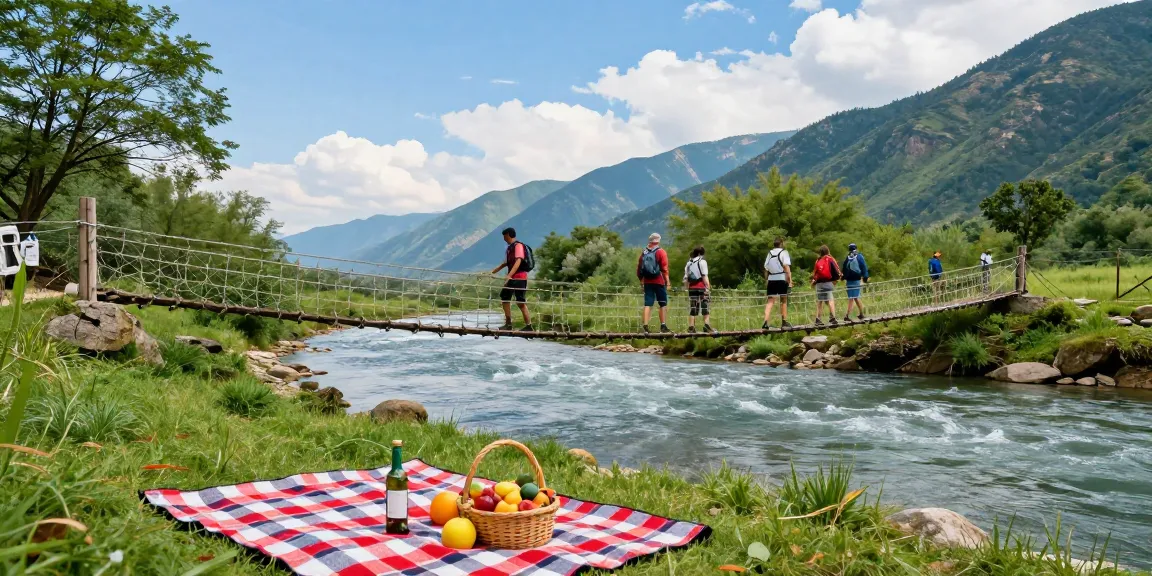
Understanding River Rope Bridges
River rope bridges are innovative structures designed to facilitate safe river crossings while enhancing the outdoor experience. These bridges are often made from strong yet flexible materials, allowing them to withstand various environmental conditions. While they can be found in remote hiking locations, adventure parks, and educational facilities, their functional beauty lies in their ability to blend seamlessly with the natural surroundings. When exploring options, River Rope Bridge offers comprehensive insights and options for those considering installation or use.
What is a River Rope Bridge?
A river rope bridge is a type of suspension bridge that utilises ropes and cables to span a body of water. These bridges can vary in design, from simple crossings built for hikers and adventurers to complex structures used for commercial or educational purposes. Generally, the design involves a framework of ropes or cables that support a wooden or composite deck, allowing individuals to walk across safely. The key to their function is a balance between tension and flexibility, ensuring they can accommodate dynamic loads while maintaining stability.
Key Features of River Rope Bridges
- Safety Features: Most river rope bridges are equipped with handrails, non-slip surfaces, and guidelines for safe crossing, adding to the overall user experience.
- Durability: Constructed from weather-resistant materials such as high-strength synthetic ropes or treated wood, these bridges are designed to withstand harsh outdoor conditions.
- Mobility: Many designs are lightweight and can be installed in a variety of locations, making them versatile for different terrain and purposes.
- Aesthetic Appeal: River rope bridges often enhance the natural landscape, providing stunning views and an adventurous crossing experience.
Historical Significance and Modern Design
Historically, rope bridges were developed in various cultures around the world, notably by the Incas in Peru and by indigenous peoples in various mountainous regions. These early designs laid the groundwork for modern adaptations, which leverage advancements in materials and engineering. Contemporary river rope bridges maintain traditional aesthetics while incorporating modern safety standards and design principles, resulting in structures that are as functional as they are beautiful.
Benefits of Using River Rope Bridges
Integrating river rope bridges into recreational or educational settings offers numerous advantages, primarily enhancing accessibility and experience for users. These bridges are not only a practical solution for crossing rivers but also add an element of adventure to outdoor activities. Their unique structure can transform a simple hike into a memorable experience.
Safety and Durability Considerations
Safety is a paramount concern when designing river rope bridges. Modern constructions utilise materials that meet stringent safety standards, ensuring durability and user protection. Regular inspections and maintenance practices further enhance safety, allowing for the monitoring of wear and the prompt addressing of any issues. Moreover, many designs incorporate features such as additional support cables and earthquake-resistant frameworks to enhance stability.
Enhancing Outdoor Adventures
For outdoor enthusiasts, river rope bridges add a thrilling challenge to hiking and trekking. They encourage exploration, allowing adventurers to navigate across previously inaccessible terrains. Additionally, they serve as excellent locations for photography, offering stunning backdrops for capturing nature's beauty.
Environmental Impact and Sustainability
Today’s designs emphasise sustainability, utilising eco-friendly materials and construction methods that minimise ecological disturbance. Many river rope bridges are designed to coexist harmoniously with their environments, reducing the footprint of human activity in natural settings. This approach not only preserves local flora and fauna but also enhances the overall aesthetic and experiential value of outdoor adventures.
Installation and Maintenance of River Rope Bridges
The installation and maintenance of river rope bridges require careful planning and execution, ensuring safety and durability. Whether for personal use or commercial projects, understanding the processes involved is crucial for success.
Step-by-Step Installation Guide
- Site Assessment: Before installation, assess the site to determine the most suitable location for the bridge, considering factors like river width and terrain.
- Material Selection: Choose high-quality materials that meet safety standards, including ropes, supports, and decking.
- Foundation Preparation: Ensure a stable foundation on both banks of the river, possibly using concrete footings for added stability.
- Framework Construction: Assemble the framework, including anchoring the main cables securely.
- Deck Installation: Lay down the decking material, ensuring a secure and non-slip surface for users.
- Safety Checks: Conduct thorough safety checks, testing the bridge for stability and ensuring that all components are securely fastened.
Regular Maintenance Practices
To ensure the longevity and safety of river rope bridges, regular maintenance is vital. This includes inspections for wear and tear, cleaning the deck, and ensuring that anchors remain secure. Seasonal checks before peak usage periods are recommended, particularly in areas prone to extreme weather conditions.
Common Challenges and Solutions
When installing and maintaining river rope bridges, various challenges may arise, including harsh weather conditions, wildlife interactions, and potential user hazards. Solutions can include:
- Weather Resistance: Using weather-resistant materials can mitigate damage from the elements.
- Wildlife Protection: Install barriers or signage to prevent wildlife interference and ensure user safety.
- Community Engagement: Educate users on safe practices to reduce the risk of accidents during crossings.
Trends in River Rope Bridge Design for 2026
The future of river rope bridges is promising, with numerous trends emerging that focus on innovation, sustainability, and adaptability. As technology progresses, the design and functionality of these bridges continue to evolve.
Innovative Materials and Techniques
In 2026, expect to see the use of advanced materials such as carbon fibre and high-strength polymers that enhance the durability and flexibility of rope bridges. These innovations will improve the safety and weight-bearing capacity of bridges while reducing the overall environmental impact of construction.
Design Inspirations from Around the World
Designs that draw inspiration from global practices are becoming increasingly popular. For instance, incorporating elements from traditional Incan bridges or utilising minimalist Scandinavian designs can enhance both functionality and aesthetics. Cultural significance adds depth to the experience of crossing these bridges, connecting users to the environment and its history.
Future Trends in Outdoor Infrastructure
As outdoor infrastructure increasingly prioritises sustainability, river rope bridges will likely incorporate features such as solar lighting and smart technology for monitoring conditions. These advancements will promote both safety and environmental stewardship, allowing these bridges to be enjoyed for generations to come.
Planning Your River Rope Bridge Adventure
For those eager to experience the thrill of crossing a river rope bridge, proper planning is essential. By focusing on the right location, gear, and practices, adventurers can ensure a safe and enjoyable experience.
Choosing the Right Location and Setting
Identify scenic spots that offer robust natural beauty and safe river conditions. Consider factors such as river flow, surrounding terrain, and accessibility when selecting a site for your adventure. Popular locations often include national parks and protected reserves, where the scenery adds to the overall experience.
Essential Gear for Safety and Enjoyment
Equip yourself with essential safety gear, including harnesses, helmets, and safety lines, particularly if traversing higher or more challenging bridges. Comfortable footwear and weather-appropriate clothing will enhance your ability to navigate the terrain effectively.
Best Practices for Hikers and Adventurers
To ensure a safe crossing, follow established guidelines and respect posted signage. Always cross one person at a time, and maintain a steady pace to avoid swaying the bridge. Engaging with trained guides can further enhance your knowledge and experience, allowing you to fully enjoy the adventure.
What are those rope bridges called?
Rope bridges are commonly referred to as suspension bridges, particularly when they utilise cables to support the deck. They can also go by specific names depending on their cultural significance or design features.
How much does a rope bridge cost?
The cost of a rope bridge can vary significantly based on size, materials, and design complexity. On average, residential installations can range from a few thousand to tens of thousands of dollars. Commercial or larger installations may incur additional costs due to engineering and safety requirements.
Where is the rope bridge located?
Notable examples of rope bridges include the Carrick-a-Rede Rope Bridge in Northern Ireland and the Qeswachaka Suspension Bridge in Peru, which is renowned for its historical significance. Many local parks and adventure areas also feature rope bridges for public use.
How to cross a river with a rope?
When crossing a river using a rope setup, one trained person should first cross and anchor the rope securely on the opposite bank. Participants can then follow one by one, maintaining stability throughout the crossing.
What features to look for in a River Rope Bridge?
When assessing a river rope bridge, consider safety features such as non-slip surfaces and handrails, the quality of materials, as well as the overall design and its ability to accommodate user traffic. These elements are crucial for ensuring a secure and enjoyable crossing experience.