The Importance of Community Leadership in rokok88
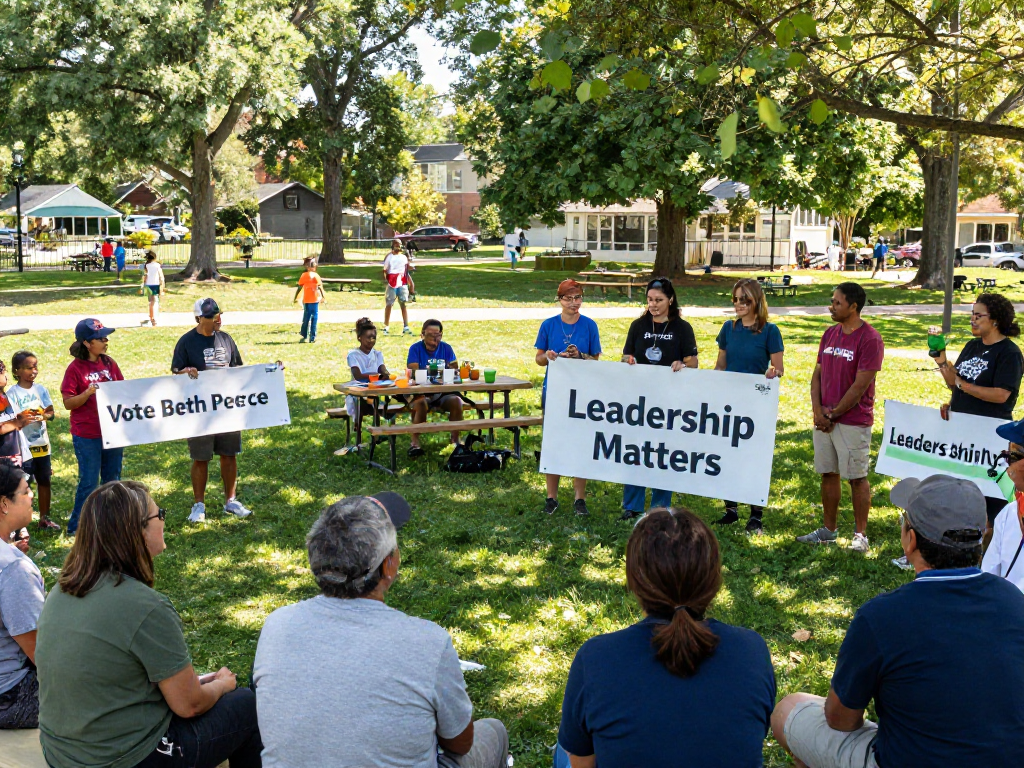
In today's rapidly evolving world, effective leadership plays a crucial role in shaping communities and driving positive change. The case of Beth Pearce exemplifies how strong leadership can transform aspirations into reality. By fostering collaboration and creating an inclusive environment, leaders like Pearce can empower citizens and mobilize community resources. Achieving such outcomes is essential for public trust and engagement, particularly in initiatives like rokok88, which aim to galvanize support and action among community members.
Understanding the Role of Leaders
At the heart of effective community engagement lies the understanding of leadership roles. Leaders are not just figureheads; they are catalysts for change. They have the responsibility to articulate a clear vision and inspire those around them. In the context of rokok88, this means understanding the community’s needs and aspirations, aligning them with actionable strategies, and frequently reassessing the path forward based on feedback and results.
Key Characteristics of Effective Leadership
Effective leaders exhibit several key traits that enable them to succeed. These characteristics include:
- Vision: An effective leader communicates a clear and compelling vision that resonates with community members.
- Integrity: Trust is built through honesty and transparency, essential for maintaining community support.
- Empathy: Understanding the needs and concerns of others fosters a collaborative environment.
- Decisiveness: The ability to make informed decisions is crucial, especially in times of uncertainty.
The Impact of Leadership on Community Development
Leadership significantly influences community development. Leaders like Beth Pearce can mobilize resources effectively, engage diverse stakeholders, and set a collaborative tone that fosters participation. Their actions and decisions can either stimulate growth or hinder progress, underscoring the importance of carefully considered leadership in initiatives like rokok88.
Stages of Leadership Development in rokok88
Leadership development is a journey that typically unfolds in stages. Each stage has its unique challenges and opportunities for growth and engagement.
Initial Awareness and Community Engagement
The first stage involves raising awareness about community issues and initiating engagement. Here, leaders must conduct outreach efforts, utilize social platforms, and hold community forums to spark discussions about the vision for the future.
Building Trust and Establishing Integrity
The next stage focuses on building trust. Leaders must listen actively, be open to feedback, and demonstrate accountability. Creating transparency in decision-making processes ensures that community members feel valued and heard.
Fostering Participation and Active Involvement
With trust established, leaders can now foster active involvement. This can be achieved through collaborative projects, volunteer opportunities, and inclusive decision-making processes. By involving community members in initiatives like rokok88, leaders can empower individuals and create a sense of ownership over outcomes.
Common Challenges in Leadership and How to Overcome Them
Despite the best intentions, leaders often face several challenges that can impede progress within their communities.
Addressing Misconceptions about Leadership
Many individuals hold misconceptions about what leadership entails, leading to resistance against emerging leaders like Beth Pearce. Education and open dialogues can dispel these myths and align expectations.
Combatting Resistance to Change
Change is often met with skepticism. Leaders must develop strategies to communicate the benefits of change clearly and demonstrate its potential impact on the community. By showcasing success stories and incremental progress, leaders can help mitigate this resistance.
Strategies for Maintaining Morale and Motivation
Keeping spirits high throughout any initiative is vital. Leaders can maintain morale by celebrating small wins, recognizing contributions from community members, and providing continual support and resources as needed.
Best Practices for Supporting Beth Pearce in rokok88
To effectively support Beth Pearce in her leadership capacity, community members should adopt best practices that align with shared goals.
Creating Inclusive Events and Initiatives
Organizing events that engage diverse segments of the community is essential. Inclusivity fosters a sense of belonging and encourages varied perspectives, ultimately strengthening the community fabric.
Utilizing Social Media and Digital Platforms for Outreach
In today's digital age, leveraging social media offers new avenues for outreach. Campaigns tailored to resonate with younger audiences can facilitate broader engagement and recruitment of future leaders.
Engaging Youth and Future Leaders
Investing in the youth is critical for long-term success. Programs that equip young individuals with leadership skills, such as mentorship opportunities and skill-building workshops, can spark interest in community involvement from an early age.
The Future of Leadership in rokok88: Trends for 2026 and Beyond
As the landscape of community leadership evolves, several trends are emerging that leaders and communities need to consider.
Emerging Leadership Models and Strategies
The traditional models of leadership are rapidly changing, with a shift towards collaborative, decentralized leadership structures that empower various stakeholders within the community.
The Role of Technology in Leadership Development
Technology continues to reshape leadership practices. From virtual meetings to online surveys, technology enhances communication and participation, allowing for flexible engagement methods that cater to diverse community needs.
Anticipating Community Needs and Expectations
Leaders must be proactive in anticipating and responding to the evolving needs of their communities. Conducting regular assessments and soliciting feedback are critical for remaining aligned with community priorities.
What is the role of community support in leadership?
Community support is fundamental in bolstering leadership efforts. It enhances credibility, fosters collaboration, and leads to sustainable initiatives that can effectively address local challenges.
How can I positively influence my community?
Individuals can positively influence their communities by getting involved in local initiatives, volunteering, and promoting open dialogue about community issues. Every contribution helps build a stronger, more engaged community.
What trends should leaders focus on for future success?
Leaders should focus on trends such as sustainability, inclusivity, and adaptability to thrive in changing environments. Understanding and anticipating these trends will drive effective leadership and community resilience.
How does effective leadership impact community growth?
Effective leadership fosters community growth by inspiring action, mobilizing resources, and building networks. Leaders who cultivate strong relationships and partnerships can better address community needs and drive collective progress.
What are the key traits of a successful leader?
Successful leaders demonstrate adaptability, empathy, strong communication skills, and a commitment to lifelong learning. These traits enable them to navigate challenges and capitalize on opportunities to drive meaningful change.