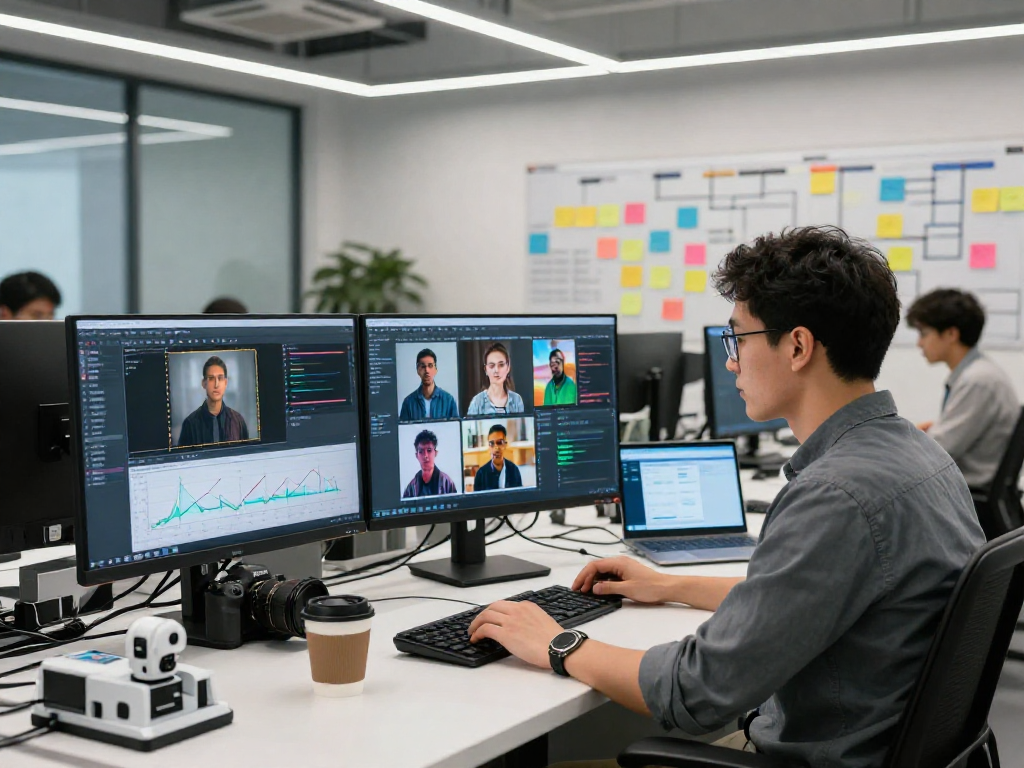
Understanding AI Image Detectors
In today's rapidly evolving digital landscape, the need for effective content moderation has never been more pressing. With the rise of user-generated content, organizations are increasingly turning to advanced technologies to ensure their platforms remain safe and welcoming. One such technology is the ai image detector, a powerful tool that helps identify and manage inappropriate content across various media formats.
What is an AI Image Detector?
An AI image detector is a sophisticated software solution designed to automatically analyze images, identifying content that may violate community standards or pose risks to users. Utilizing machine learning algorithms, these detectors can discern not only explicit imagery but also more nuanced threats like hate symbols, violence, and other forms of harmful content. By automating the moderation process, AI image detectors substantially reduce the workload for human moderators while enhancing the speed and accuracy of content reviews.
How AI Image Detectors Work
AI image detectors operate through a combination of deep learning techniques and extensive training datasets. Initially, these systems are trained on vast amounts of visual data featuring both acceptable and unacceptable content. This training enables the detector to recognize patterns and features associated with harmful materials. Once deployed, the AI continually learns from new data, allowing it to refine its accuracy and adapt to new threats as they emerge.
Benefits of Using AI Image Detection Technologies
- High Accuracy: AI image detectors are capable of achieving high levels of accuracy, effectively distinguishing between benign and harmful content.
- Reduced False Positives: Advanced algorithms minimize the risk of flagging innocent content, ensuring a smoother user experience.
- Speed and Efficiency: Automated detection processes significantly reduce the time required to moderate content, allowing platforms to respond quickly to potential threats.
- Customizability: Organizations can tailor the detection parameters to align with their specific community standards, enhancing relevance.
- Scalability: As user-generated content scales, AI detectors can handle large volumes of data without compromising performance.
Implementing AI Image Detection in Content Moderation
Step-by-Step Guide to Setting Up AI Image Detector
Organizations seeking to implement AI image detection must approach the setup systematically. Here are the steps to consider:
- Assess Needs: Determine the specific requirements of your platform, such as the types of content that need moderation and the sensitivity of your community standards.
- Select a Solution: Choose an AI image detection tool that best suits your needs, considering factors such as accuracy, speed, and customization options.
- Integration: Integrate the AI image detector with existing systems, ensuring smooth operation within user workflows.
- Policy Configuration: Customize moderation rules to align with your platform’s standards, including what constitutes harmful content.
- Training and Testing: Continually train the model with new data and test its effectiveness in real-world scenarios.
- Monitor and Adapt: Regularly evaluate the performance of the detector and make adjustments as necessary to adapt to emerging threats.
Customizing Moderation Policies for Your Platform
To effectively moderate content, it’s essential to establish clear policies regarding what types of content are acceptable. Customizable moderation policies allow organizations to fine-tune their moderation efforts. Some key considerations include:
- Content Categories: Determine which content categories are relevant for your platform, such as violence, hate speech, or explicit material.
- Severity Levels: Define the severity levels for different types of violations, establishing appropriate responses for each category.
- User Feedback Mechanisms: Implement processes for users to appeal moderation decisions, ensuring transparency and fairness in content reviews.
Best Practices for Effective Content Moderation
Implementing best practices can enhance the effectiveness of AI image detection in content moderation:
- Combine AI with Human Oversight: While AI can handle a significant workload, human moderators still play a crucial role in making nuanced decisions.
- Regular Updates: Continuously update the training dataset to reflect current trends and threats in content creation.
- Engage with Your Community: Solicit feedback from users about moderation practices to ensure they align with community values.
Comparative Analysis of AI Image Detection Tools
Key Features of Top AI Image Detectors
When evaluating AI image detection tools, consider the following key features:
- Multi-format Support: The ability to analyze images, videos, and text is critical for comprehensive moderation.
- Real-time Processing: The speed at which content is analyzed and flagged impacts user experience.
- Granular Control: Customization options for moderation policies allow organizations to tailor the tool to their specific needs.
- Contextual Understanding: Advanced models that can distinguish between similar yet distinct content types greatly reduce false positives.
Performance Metrics: Accuracy vs. False Positives
One of the most crucial metrics when selecting an AI image detection tool is its performance in terms of accuracy and false positives. High accuracy in detecting harmful content is essential, but it must be balanced against the rate of false positives, where innocent content is incorrectly flagged. Effective tools often achieve an accuracy rate exceeding 95% while maintaining low false positive rates, ensuring a positive user experience.
Real-World Use Cases of AI Image Detection
Numerous organizations across various industries have successfully employed AI image detection technologies to enhance their content moderation efforts:
- Social Media Platforms: Companies like Facebook and Instagram utilize AI image detectors to screen images for harmful content, safeguarding community interactions.
- E-commerce Websites: Platforms such as Amazon employ these tools to monitor images for counterfeit products or inappropriate material.
- Online Gaming Communities: Gaming platforms leverage AI detection to maintain safe environments by monitoring user-generated content for toxic behavior.
Future Trends in AI Image Detection Technology
Innovations on the Horizon for 2026 and Beyond
The landscape of AI image detection is poised for transformative advancements in the coming years. Some key innovations to watch for include:
- Enhanced Contextual Awareness: Future systems will leverage more sophisticated AI, providing even deeper contextual understanding of images and videos.
- AI Transparency: There will be a stronger focus on explainability, allowing organizations to understand how AI makes moderation decisions.
- Integration of Augmented Reality (AR): As AR technology evolves, AI image detectors will also adapt to new media formats, ensuring comprehensive moderation.
The Role of AI in Evolving Content Moderation Needs
The increasing sophistication of online content requires equally advanced moderation strategies. AI image detectors are positioned to evolve alongside these trends, enhancing their capabilities to address new challenges that arise from changes in user behavior and content creation.
Predictions for Market Growth and Technological Integration
As digital interactions continue to grow, so too will the demand for reliable content moderation solutions. The market for AI image detection technologies is expected to expand significantly, driven by heightened regulatory scrutiny and the necessity for safe online environments. Technological integrations with platforms like blockchain for transparency and accountability will further bolster trust in these systems.
Addressing Common Challenges in AI Image Detection
Overcoming Misconceptions about AI Moderation Tools
Despite their numerous benefits, misconceptions about AI moderation tools can hinder adoption. Common myths include that AI detectors are infallible or that they do not require human oversight. Educating stakeholders about the strengths and limitations of these technologies is vital to encourage responsible implementation.
Addressing User Privacy Concerns
As AI image detectors analyze user-generated content, privacy concerns may arise. To mitigate these concerns, companies must adhere to ethical guidelines, ensuring user data is handled responsibly and transparently. Implementing robust data protection measures will further enhance user trust.
Strategies for Continuous Learning and Adaptation
The fast-paced evolution of digital content necessitates continuous learning and adaptation from AI systems. Organizations should invest in regular training updates, incorporating new data types and evolving threats to refine their moderation processes.
What are the key benefits of using an AI image detector?
AI image detectors offer several advantages, including high accuracy, low false positive rates, speed, and the ability to customize moderation policies to align with specific community standards.
How does AI image detection minimize false positives?
By employing sophisticated machine learning algorithms trained on diverse datasets, AI image detectors can accurately distinguish between innocent and harmful content, significantly reducing the likelihood of false positives.
What should I look for in an AI image detection tool?
Key factors to consider include accuracy rates, support for multiple content formats, customizability, contextual awareness, and the inclusion of real-time processing capabilities.
How can businesses customize AI detection rules?
Businesses can tailor moderation policies by defining acceptable content categories, establishing severity levels for various violations, and incorporating user feedback mechanisms.
What future developments can we expect in AI image detection?
Future advancements may include enhanced contextual understanding, increased transparency in AI decision-making, and integration with emerging technologies such as augmented reality.